Varanasi Travel Guide
Complete Guide to What to See, Do, and Eat in Varanasi
A curated list of the ghats, temples, food spots and unique experiences that define a Varanasi visit. Use the planner above to build your day-by-day itinerary, or browse the guide below for context on each place.
Sacred Ghats of Varanasi
Varanasi has 88 ghats lining the western bank of the Ganges — each with its own history, rituals, and atmosphere. These are the must-visit ghats for first-time visitors.
Dashashwamedh Ghat
evening · 90 min
The most famous ghat in Varanasi, host to the spectacular daily Ganga Aarti at sunset. Hundreds of pilgrims and travellers gather to watch priests perform the fire ritual with synchronised movements, brass lamps, and chants.
Assi Ghat
morning · 60 min
The southernmost ghat at the confluence of the Assi and Ganga rivers. Famous for sunrise Subah-e-Banaras yoga sessions, foreign-traveller hangouts, and proximity to BHU campus.
Manikarnika Ghat
afternoon · 45 min
One of the most sacred cremation ghats in Hinduism. Visiting requires sensitivity — funeral rituals happen 24 hours a day. A profound but heavy experience for those wanting to understand Hindu views on death.
Kedar Ghat
morning · 45 min
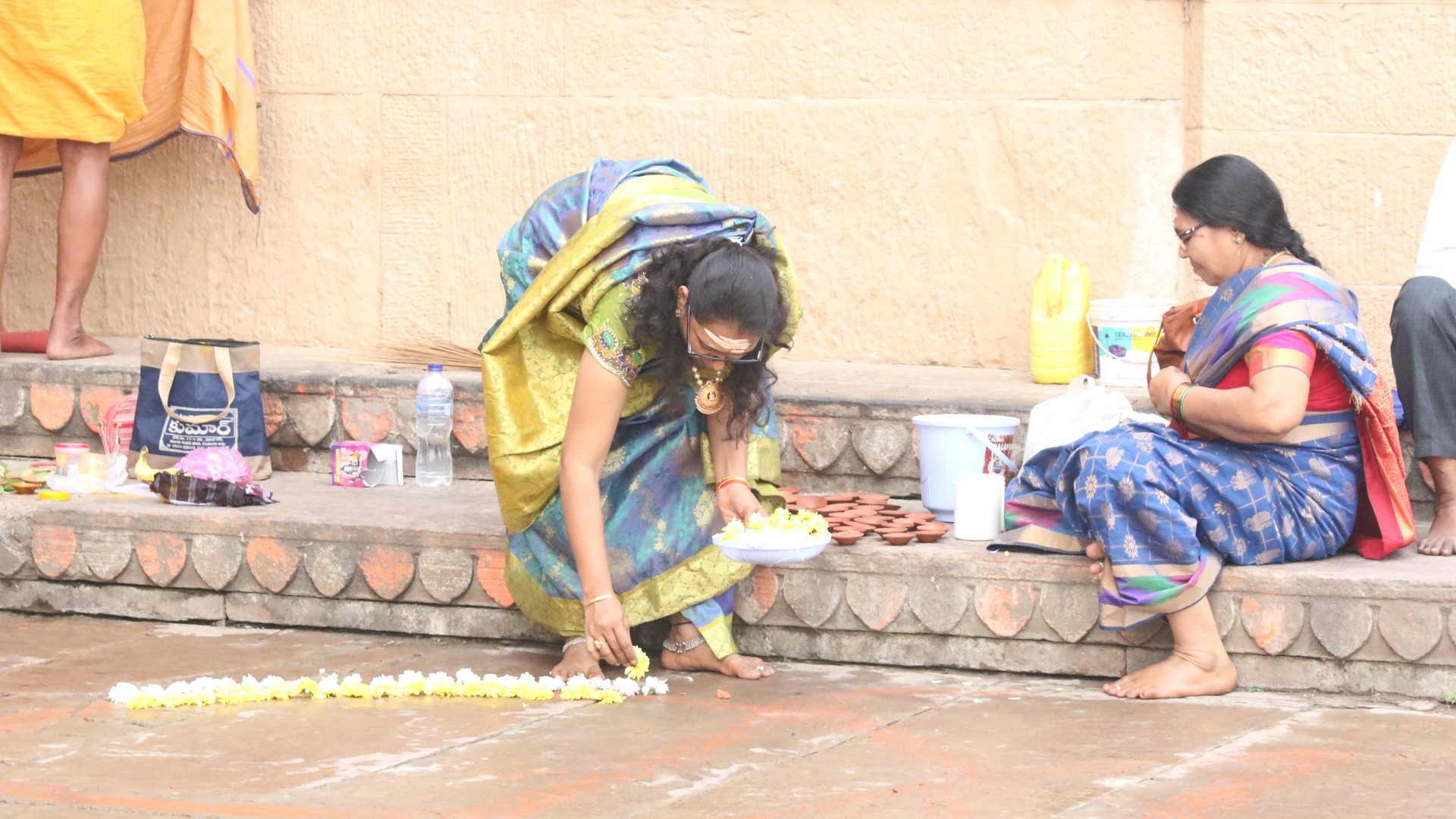
Beautiful ghat with red-and-white striped steps, less crowded and more peaceful than the central ghats. Popular with South Indian pilgrims.
Tulsi Ghat
morning · 30 min
Named after the poet Tulsidas who wrote the Ramcharitmanas here. Quieter, perfect for peaceful morning walks along the river.
Harishchandra Ghat
afternoon · 40 min
One of the oldest ghats, named after the legendary truth-telling king Harishchandra. Also a cremation ghat, though smaller and less crowded than Manikarnika.
Ready to find your stay?
Once you've planned your itinerary, find the perfect place to stay near your route.
Browse Stays in Varanasi